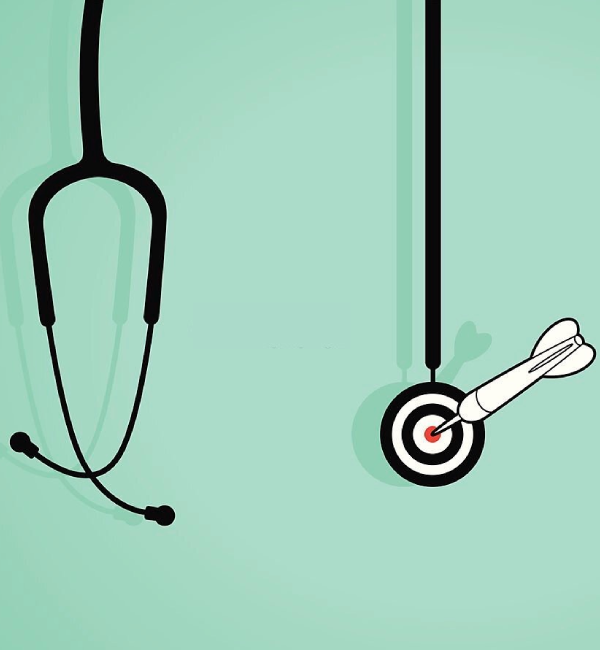
Sağlık sektörü, teknolojinin hızla geliştiği ve dijital yeniliklerin hayatımızın her alanına entegre olduğu bir dönemde, dönüşümün öncüsü olarak karşımıza çıkıyor. Klinikler ve hastaneler, dijital dönüşümü benimseyerek hem hasta deneyimini iyileştirebilir hem de operasyonel verimliliği artırabilir. Peki, bu dönüşüm sürecinde en iyi uygulamalar nelerdir?
1. Hasta Merkezli Teknoloji Uygulamaları
Dijital dönüşümün temelinde hasta odaklılık yatar. Online randevu sistemleri, hasta takip uygulamaları ve interaktif sağlık portalları gibi teknolojiler, hastaların sağlık hizmetlerine erişimini kolaylaştırır. Bu sistemler, hastaların randevularını kolayca yönetmelerine, tıbbi kayıtlarına ulaşmalarına ve sağlık durumlarını takip etmelerine olanak tanır.
2. Veri Analitiği ve Büyük Veri
Sağlık sektöründe toplanan verilerin analizi, hastalıkların erken teşhisi, tedavi yöntemlerinin geliştirilmesi ve hasta bakım kalitesinin artırılmasında kritik bir rol oynar. Veri analitiği, kliniklerin ve hastanelerin hizmetlerini sürekli olarak iyileştirmelerine yardımcı olur.
3. Mobil Sağlık Uygulamaları
Mobil sağlık uygulamaları, hastaların sağlık bilgilerine her zaman ve her yerden erişmelerini sağlar. Bu uygulamalar, reçete yönetiminden sağlık izlemeye kadar geniş bir yelpazede hizmet sunar. Klinikler ve hastaneler, bu uygulamaları kullanarak hastalarla etkileşimlerini artırabilir.
4. Telemedisinin Kullanımı
Telemedisinin yükselişi, uzaktan hasta bakımını mümkün kılıyor. Video konferanslar, online danışmanlık ve uzaktan tıbbi izleme, hastalara evlerinin rahatlığında kaliteli sağlık hizmeti sunar. Klinikler ve hastaneler için telemedisinin entegrasyonu, hasta erişimini genişletir ve hasta memnuniyetini artırır.
5. Siber Güvenlik
Dijital dönüşümle birlikte, kliniklerin ve hastanelerin karşılaştığı en büyük zorluklardan biri siber güvenliktir. Hasta bilgilerinin korunması ve veri ihlallerinin önlenmesi, güçlü siber güvenlik protokolleri gerektirir. Güvenli veri depolama ve şifreleme, bu konuda önemli adımlardır.
6. Yapay Zeka ve Otomasyon
Yapay zeka (AI), teşhis ve tedavi süreçlerinde devrim yaratma potansiyeline sahip. AI tabanlı sistemler, tıbbi görüntüleri analiz edebilir, hasta verilerini değerlendirir ve tedavi seçeneklerini önerir. Otomasyon, aynı zamanda, idari işlemleri hızlandırarak operasyonel verimliliği artırır.
7. Eğitim ve Sürekli Öğrenme
Dijital dönüşüm kapsamında, sağlık çalışanlarının sürekli eğitimi ve adaptasyonu büyük önem taşır. Teknolojik gelişmeler ve dijital araçların etkin kullanımı için düzenli eğitim programları ve atölye çalışmaları, personelin becerilerini geliştirir ve hastane hizmetlerinin kalitesini artırır.
8. Kişiselleştirilmiş Sağlık Hizmetleri
Teknolojinin ilerlemesi ile birlikte, sağlık hizmetleri artık daha kişiselleştirilebilir hale gelmiştir. Hastaların genetik bilgileri, yaşam tarzı ve tıbbi geçmişi dikkate alınarak, daha etkili ve özelleştirilmiş tedavi planları oluşturulabilir. Bu yaklaşım, hasta memnuniyetini ve tedavi başarısını önemli ölçüde artırır.
9. İnteroperabilite ve Entegre Sistemler
Sağlık sektöründe farklı sistemlerin ve yazılımların birbiriyle uyumlu çalışabilmesi, verimlilik ve etkinlik açısından kritik öneme sahiptir. Hastaneler ve klinikler, farklı sağlık teknolojilerini entegre ederek, hastaların tıbbi kayıtlarına kolay erişim sağlamalı ve veri paylaşımını optimize etmelidir.
10. Sosyal Medya ve Online İtibar Yönetimi
Sağlık hizmetleri sunan kurumlar için sosyal medyanın kullanımı, hastalarla etkileşim kurmak ve kurumun itibarını yönetmek için etkili bir araçtır. Hastaların deneyimlerini paylaşmaları, geri bildirimleri ve önerileri, sağlık hizmetlerinin iyileştirilmesinde değerli bilgiler sunar.