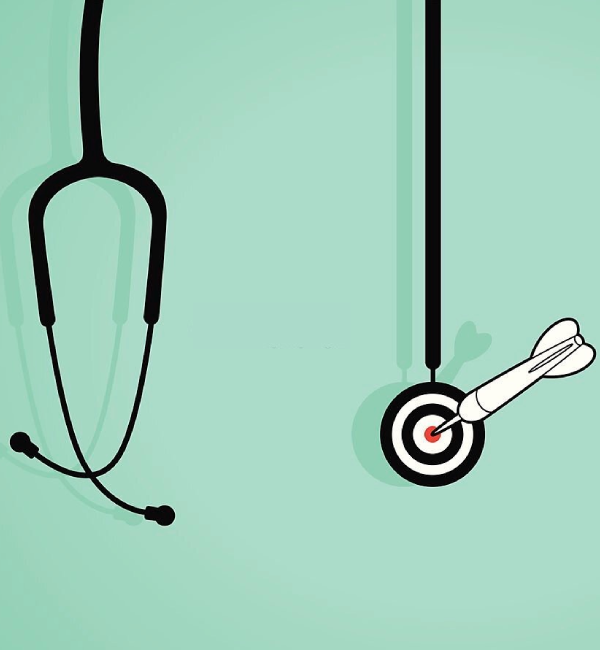
Sağlık Sektöründe 360 Derece Pazarlama: Klinik ve Hastaneler İçin Etkili Kampanya Örnekleri
Sağlık sektörü, sürekli gelişen dijital dünya ve artan rekabetle birlikte, pazarlama stratejilerinde yenilikçi yaklaşımlar benimsemek zorunda kalmıştır. 360 derece pazarlama, bu bağlamda öne çıkan ve sağlık hizmeti sağlayıcıları için etkili sonuçlar sunan kapsamlı bir stratejidir. Bu makalede, sağlık sektöründe 360 derece pazarlamanın ne olduğunu, nasıl uygulandığını ve klinikler ile hastaneler için etkili kampanya örneklerini inceleyeceğiz.
360 Derece Pazarlama Nedir?
360 derece pazarlama, markaların hedef kitlelerine çok yönlü ve entegre bir şekilde ulaşmalarını sağlayan bir stratejidir. Bu pazarlama yaklaşımı, hem çevrimiçi hem de çevrimdışı tüm temas noktalarını kapsar ve bu sayede markanın mesajı, tüketicilere tutarlı ve bütüncül bir şekilde iletilir. 360 derece pazarlama stratejisi, aşağıdaki bileşenleri içerebilir:
- Dijital Pazarlama: SEO, sosyal medya, e-posta pazarlama, PPC (tıklama başına ödeme) kampanyaları ve içerik pazarlaması gibi dijital araçları içerir.
- Geleneksel Pazarlama: TV reklamları, radyo spotları, basılı materyaller (broşürler, dergiler), açık hava reklamcılığı ve etkinlik pazarlaması gibi geleneksel yöntemleri kapsar.
- Pr: Medya ilişkileri, basın bültenleri, konferanslar ve topluluk etkinlikleri gibi halkla ilişkiler faaliyetlerini içerir.
- Doğrudan Pazarlama: Hedeflenen postalama kampanyaları, çağrı merkezi hizmetleri ve promosyonlar gibi doğrudan pazarlama tekniklerini kapsar.
360 derece pazarlama, tüm bu kanalların entegre bir şekilde çalışmasını sağlar ve bu sayede marka, potansiyel müşterilerine tutarlı bir mesaj sunar. Sağlık sektöründe, bu strateji hasta deneyimini iyileştirme, hasta bağlılığını arttırma ve yeni hastalar çekme amacıyla kullanılabilir.
Sağlık Sektöründe 360 Derece Pazarlamanın Önemi
Sağlık sektörü, hasta güvenliği ve memnuniyeti açısından son derece hassas bir sektördür. Bu nedenle, hastalarla iletişim kurarken tutarlı ve güvenilir bir yaklaşım benimsemek çok önemlidir. 360 derece pazarlama, kliniklerin ve hastanelerin şu hedeflere ulaşmasını sağlar:
- Tutarlı Mesajlaşma: Hedef kitlenize farklı kanallardan ulaşırken, tutarlı bir mesaj sunmanız gerekir. Bu, markanızın güvenilirliğini artırır ve hastaların size olan güvenini pekiştirir.
- Hedef Kitleye Ulaşma: Farklı temas noktalarını kullanarak hedef kitlenize daha geniş bir erişim sağlayabilirsiniz. Örneğin, hem sosyal medya hem de TV reklamları ile farklı demografik gruplara ulaşabilirsiniz.
- Hasta Deneyimini İyileştirme: 360 derece pazarlama, hasta yolculuğunun her aşamasında onları bilgilendirmek ve desteklemek için kullanılır. Bu da hasta memnuniyetini ve bağlılığını artırır.
- Rekabet Avantajı: Sektördeki rekabetin artmasıyla, klinikler ve hastaneler farklılaşma yoluyla öne çıkabilirler. 360 derece pazarlama stratejisi, bu farklılaşmayı sağlamak için güçlü bir araçtır.
Klinikler ve Hastaneler İçin Etkili 360 Derece Pazarlama Kampanya Örnekleri
1. Dijital ve Geleneksel Pazarlama Entegrasyonu
Bir klinik, dijital ve geleneksel pazarlama kanallarını entegre eden bir kampanya başlatarak geniş bir kitleye ulaşabilir. Örneğin, bir diş kliniği, sosyal medya platformlarında hedeflenmiş reklamlar (Facebook, Instagram) ve Google Ads kampanyaları ile yeni hastalar çekebilir. Bu dijital kampanyaları, yerel radyo istasyonlarında yayınlanan reklamlar ve topluluk dergilerinde çıkan basılı ilanlarla destekleyebilir. Bu sayede, klinik hem dijital hem de geleneksel kanalları kullanarak tutarlı bir mesaj sunar ve geniş bir kitleye ulaşır.
2. Hasta Yorumları ve Sosyal Kanıt
360 derece pazarlama stratejisi, hasta yorumları ve sosyal kanıtları içerebilir. Örneğin, bir hastane, başarılı ameliyatlar sonrası hastaların memnuniyetlerini video röportajlarıyla sosyal medyada paylaşabilir. Aynı zamanda, bu hasta yorumları basılı broşürlerde ve hastanenin web sitesinde de kullanılabilir. Bu tür bir kampanya, hastaların güvenini kazanmak ve yeni hastalar çekmek için son derece etkili olabilir.
3. Eğitici İçerik ve Sağlık Bilgilendirme Kampanyaları
Klinikler ve hastaneler, sağlık bilinci yaratmak ve toplumu bilgilendirmek için eğitim içerikli kampanyalar düzenleyebilirler. Örneğin, bir kadın sağlığı kliniği, meme kanseri farkındalık ayı kapsamında bir 360 derece pazarlama kampanyası başlatabilir. Bu kampanya, sosyal medya paylaşımları, blog yazıları, bilgilendirici videolar ve yerel topluluk etkinlikleri ile desteklenebilir. Aynı zamanda, hastanenin bekleme alanlarına yerleştirilen broşürler ve bilgilendirici afişlerle de bu kampanya güçlendirilebilir. Böylece, hem çevrimiçi hem de çevrim dışı temas noktalarında tutarlı bir mesaj sunularak toplum bilinci artırılır.
4. Hedeflenmiş E-posta Kampanyaları ve CRM Entegrasyonu
Hedeflenmiş e-posta kampanyaları, 360 derece pazarlama stratejisinin önemli bir parçasıdır. Klinikler, hastalarının ihtiyaçlarına göre kişiselleştirilmiş e-posta kampanyaları düzenleyebilirler. Örneğin, bir estetik cerrahi kliniği, belirli bir yaş grubundaki kadınlara yönelik olarak düzenlediği estetik operasyonlar hakkında bilgilendirici e-postalar gönderebilir. Bu e-posta kampanyası, klinik CRM (müşteri ilişkileri yönetimi) sistemi ile entegre edilerek, hastaların geçmiş tıbbi geçmişlerine ve tercihlerine göre kişiselleştirilebilir.
5. Topluluk Etkinlikleri ve Halkla İlişkiler
Topluluk etkinlikleri, 360 derece pazarlama stratejisinin güçlü bir bileşeni olabilir. Bir hastane, yerel bir sağlık fuarına katılarak veya kendi sağlık etkinliklerini düzenleyerek toplulukla doğrudan iletişim kurabilir. Bu etkinliklerde, hastane personeli ile yüz yüze görüşmeler sağlanabilir, broşürler dağıtılabilir ve bilgilendirici sunumlar yapılabilir. Ayrıca, bu tür etkinlikler, yerel basında yer alacak halkla ilişkiler çalışmaları ile desteklenebilir. Bu, hastanenin topluluk içindeki varlığını güçlendirir ve güven inşa eder.
360 Derece Pazarlama Başarısı İçin İpuçları
- Tutarlılık: 360 derece pazarlamanın başarısı için en önemli faktörlerden biri, tüm kanallarda tutarlı bir mesaj sunmaktır. Dijital ve geleneksel kanalların birbirini tamamlayıcı şekilde kullanılması, marka güvenilirliğini artırır.
- Veri Analizi ve Optimizasyon: Kampanyalarınızın performansını düzenli olarak izleyin ve veriye dayalı kararlar alın. Bu, hangi kanalların en etkili olduğunu belirlemenize ve stratejinizi optimize etmenize yardımcı olur.
- Hedef Kitleye Uygunluk: Kampanyalarınızın hedef kitlenize uygun olmasına dikkat edin. Yaş, cinsiyet, ilgi alanları gibi demografik özellikleri göz önünde bulundurarak kampanyalarınızı özelleştirin.
- Teknoloji Entegrasyonu: CRM, sosyal medya yönetim araçları ve e-posta pazarlama yazılımları gibi teknolojileri entegre ederek, kampanyalarınızın etkisini artırabilirsiniz.